Applications
Ten installation contexts. Each one imposes a different distance, surface and duty cycle on the projector.
Where a projected mark does useful work.
Ordered from short-throw interiors to large exterior and industrial installations.
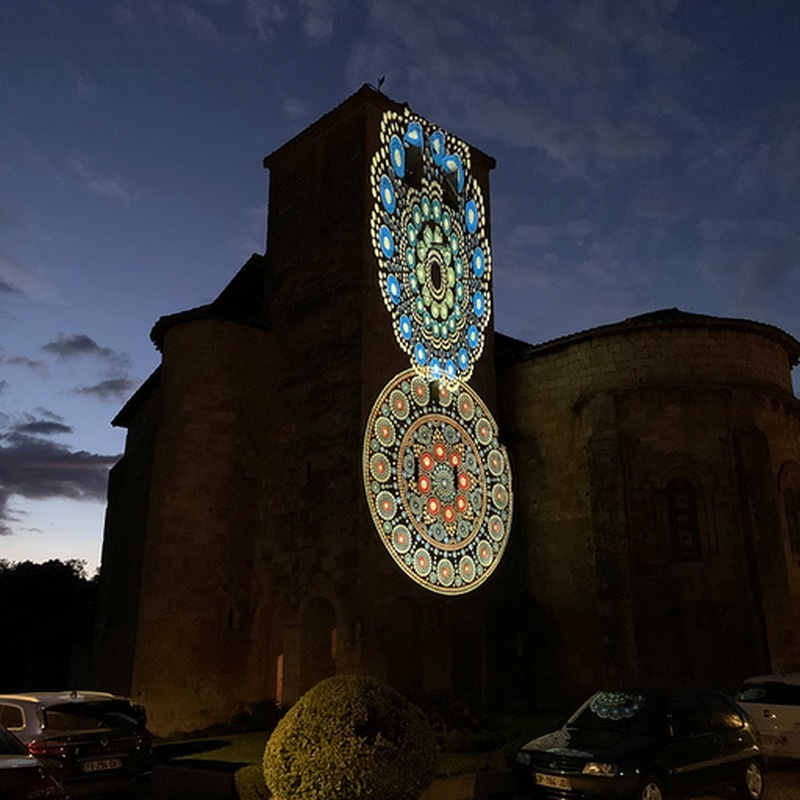
Retail frontages
A mark on the pavement in front of the door is seen before the sign above it. Seasonal campaigns can be changed by swapping one glass disc.
Hospitality interiors
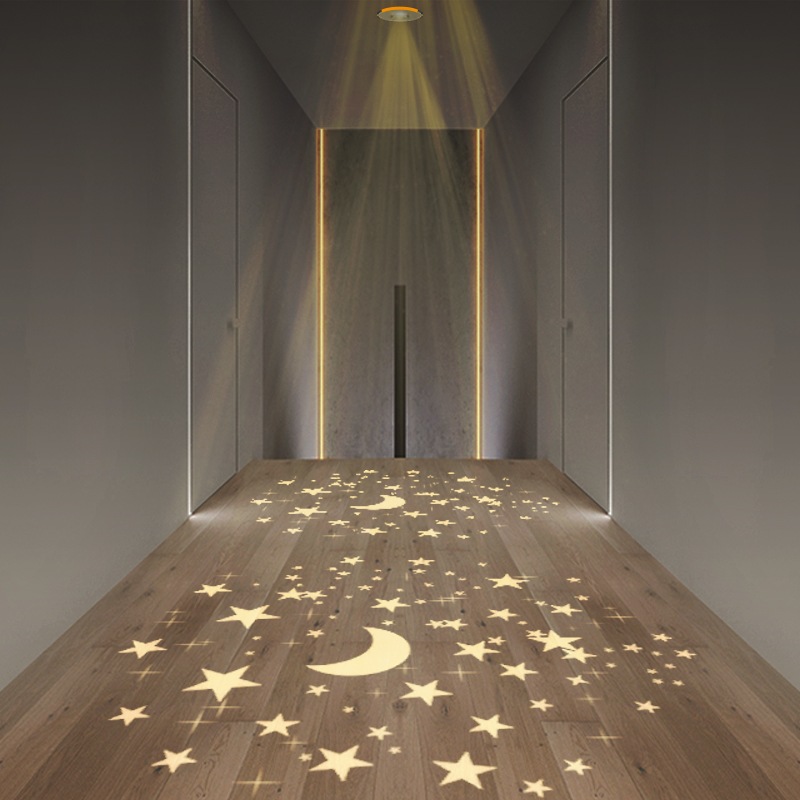
Bars, restaurants and hotel lobbies use low-output interior units to put a wordmark on a wall without adding another physical fitting to the room.
Exhibitions and pop-ups
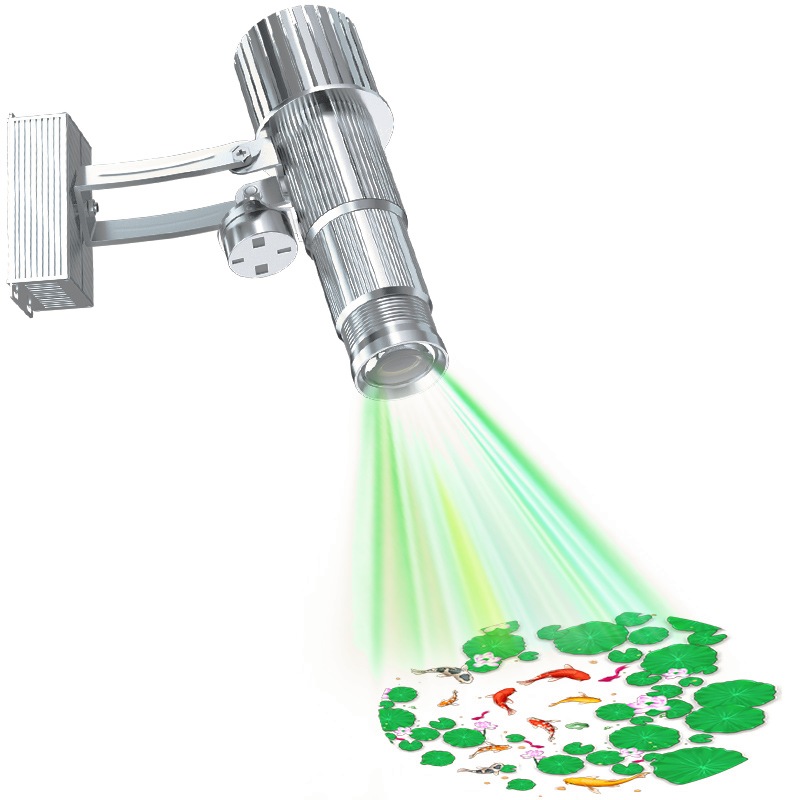
A projector travels as hand luggage and needs no fabricated sign. The same body can carry a different pattern at the next show.
Architectural facades
Long-throw exterior units place large graphics on buildings where fixing a physical sign is costly or not permitted.
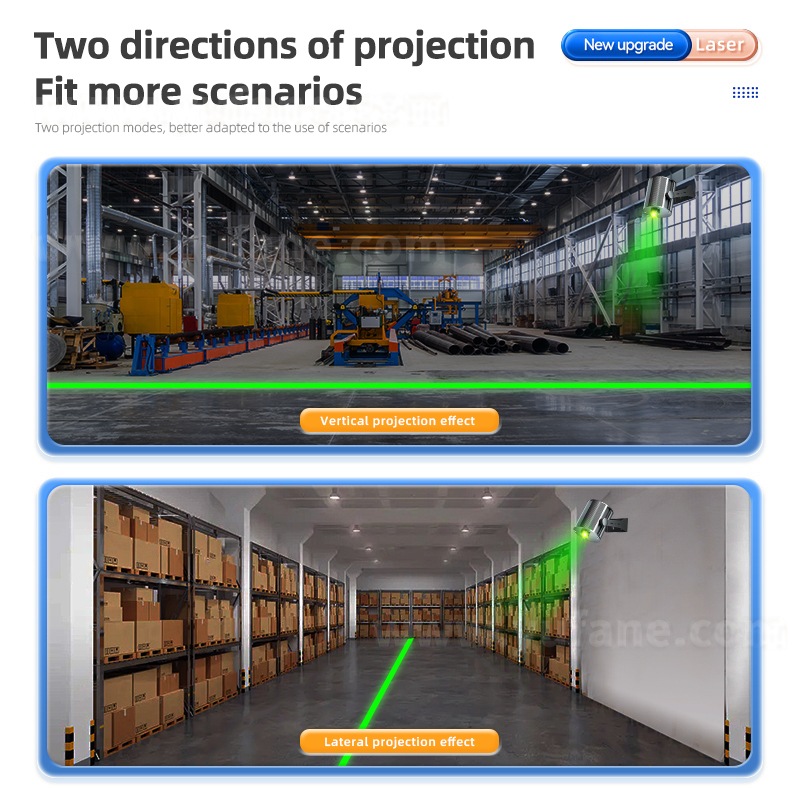
Warehouses and logistics
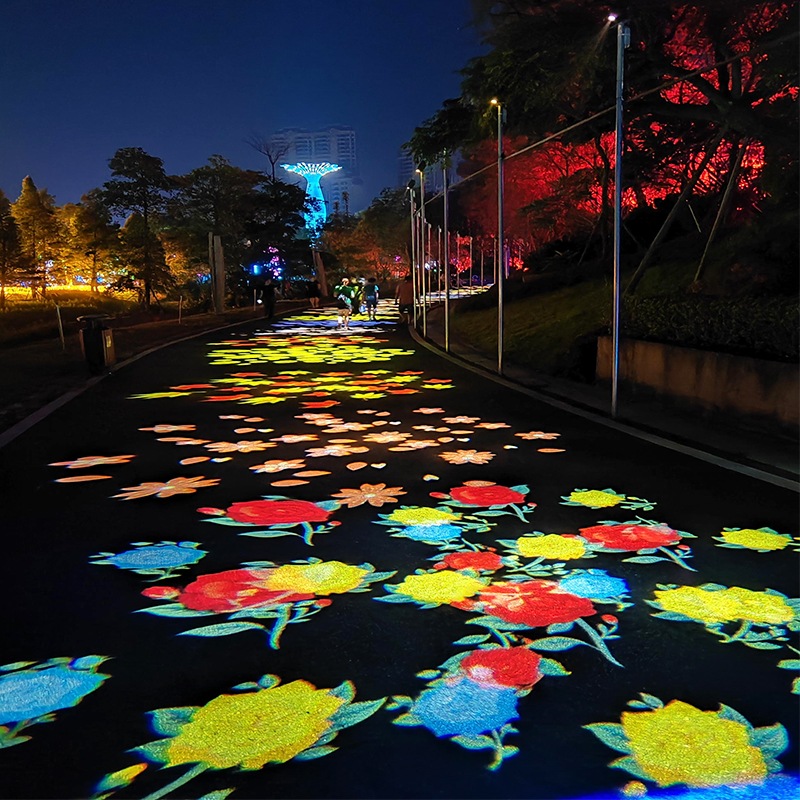
Projected lanes and exclusion zones follow the current layout. When the racking moves, the marking moves with it.
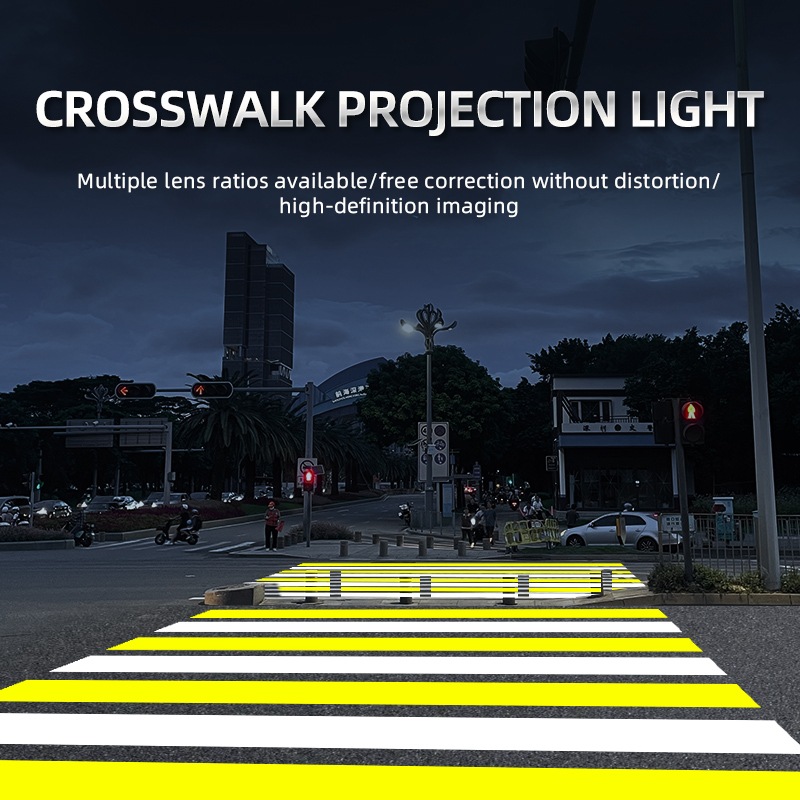
Pedestrian routes
Crossing stripes and directional arrows can be added for an event, a construction phase or a temporary diversion, then removed without trace.
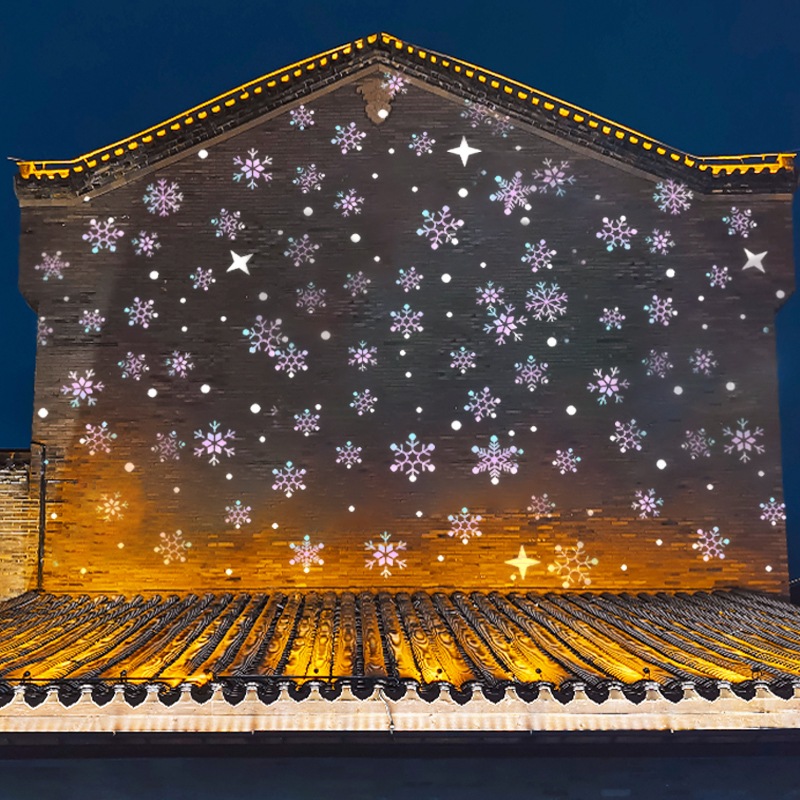
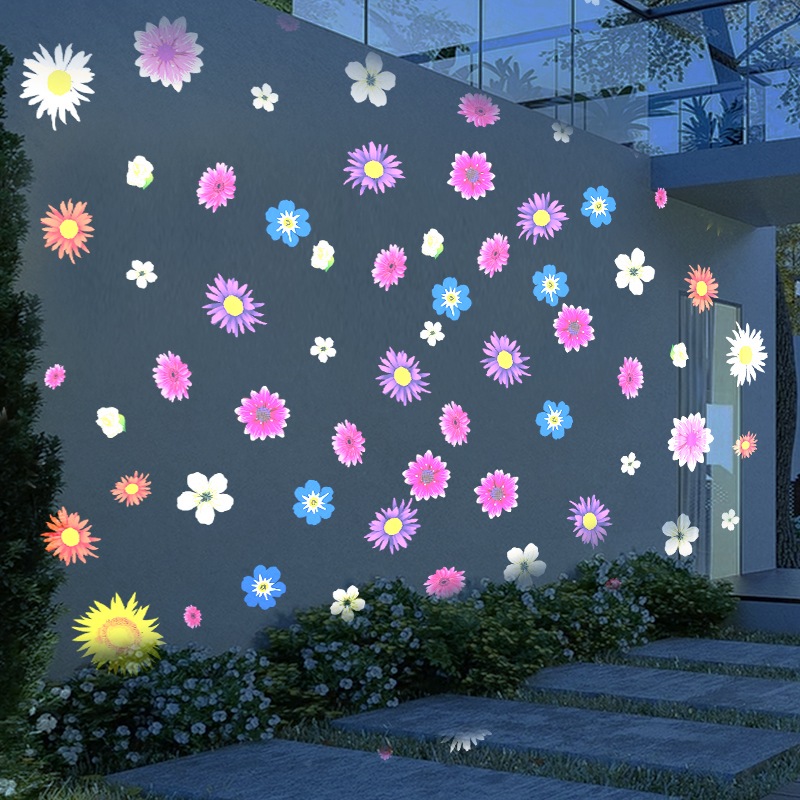
Seasonal installations
Snowflake, floral and ambient patterns cover a facade or a garden from a single mounting point and pack away into one case.
Themed attractions
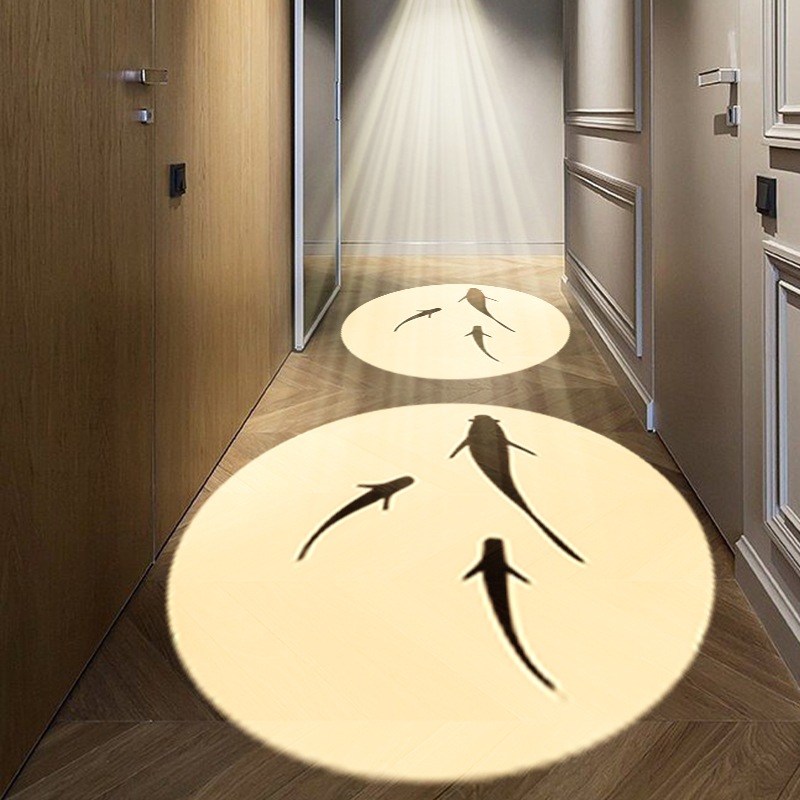
Motion and multi-frame patterns give corridors, aquariums and family venues a layer of movement that static decor cannot provide.
Cultural tourism and night destinations
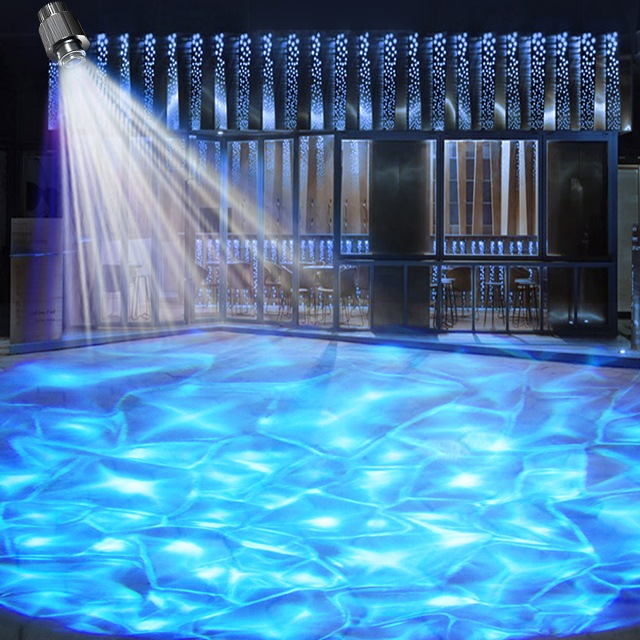
Water-ripple fields, drifting embers and large-format pattern sequences give a riverside, park or heritage frontage a changing night-time identity without permanent structures.
Triggered and interactive installations
Infrared, radar or camera-triggered units switch a pattern as someone approaches — used for entrance welcomes, hazard warnings and wayfinding that appears only when it is needed.
What to measure before an enquiry.
Five measurements are enough for us to shortlist a model and an objective.
The surface is part of the specification.
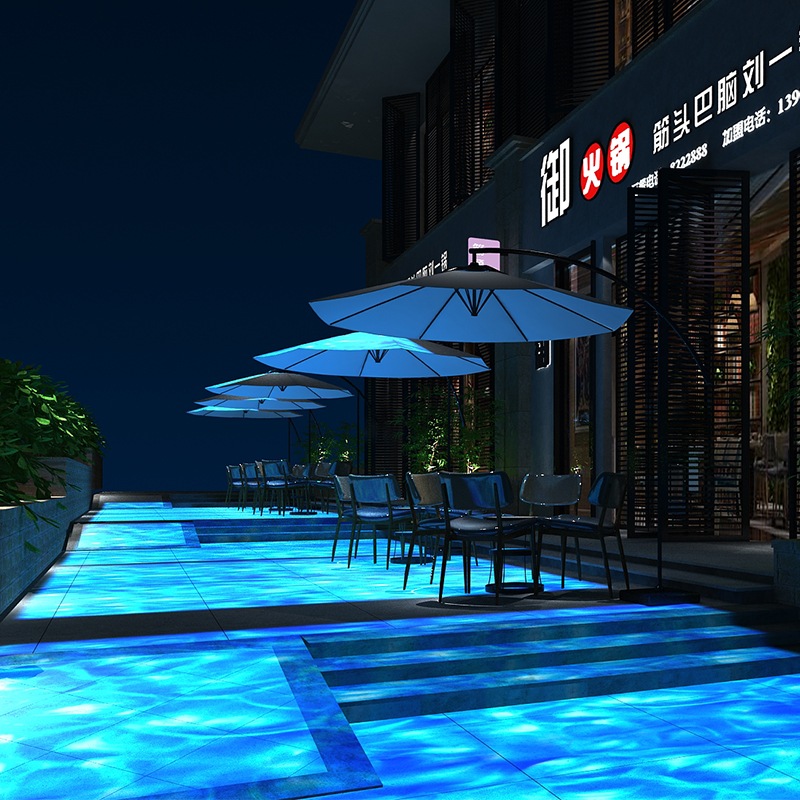
Dark brick, wet paving and polished stone return far less light than a pale matte wall. Where the surface is unfavourable, the practical answer is to move up one output class rather than push a smaller unit beyond its comfortable range.
Specify a projector.
Send the distance, the surface and the artwork. We return a model recommendation and a numbered quotation.
Open an enquiry →