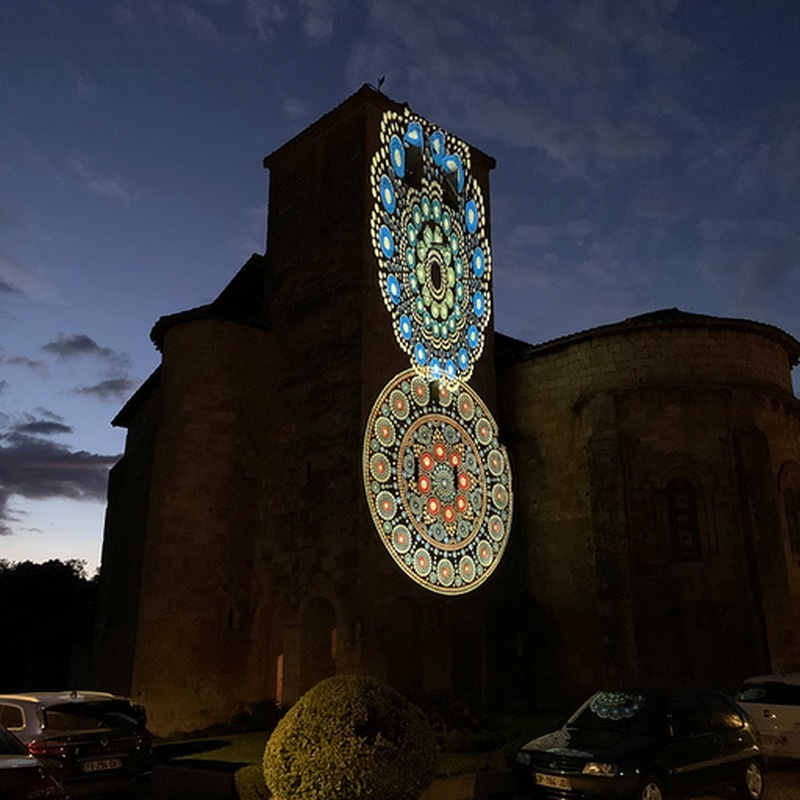
Start with the distance from the intended lens position to the receiving surface. Every model in the catalogue lists a working throw; treat it as a range in which the image stays in focus and holds useful contrast, not as a hard limit.
Then work backwards from the image diameter. A wider image at the same distance needs a different objective, and a longer distance at the same diameter needs more output. These two parameters together usually identify one series rather than a single model.
The third factor is the surface itself. Dark brick, wet paving and polished stone all return less light to the viewer than a matte, pale wall. Where the surface is unfavourable, move up one output class rather than pushing a smaller unit beyond its comfortable range.
← All field notes